
Why Upgrade to a Tankless Water Heater? Here's What You Need to Know
If you're tired of running out of hot water, dreading your energy bill, or just want a more modern solution — a tankless water heater is the upgrade most homeowners wish they'd made sooner.
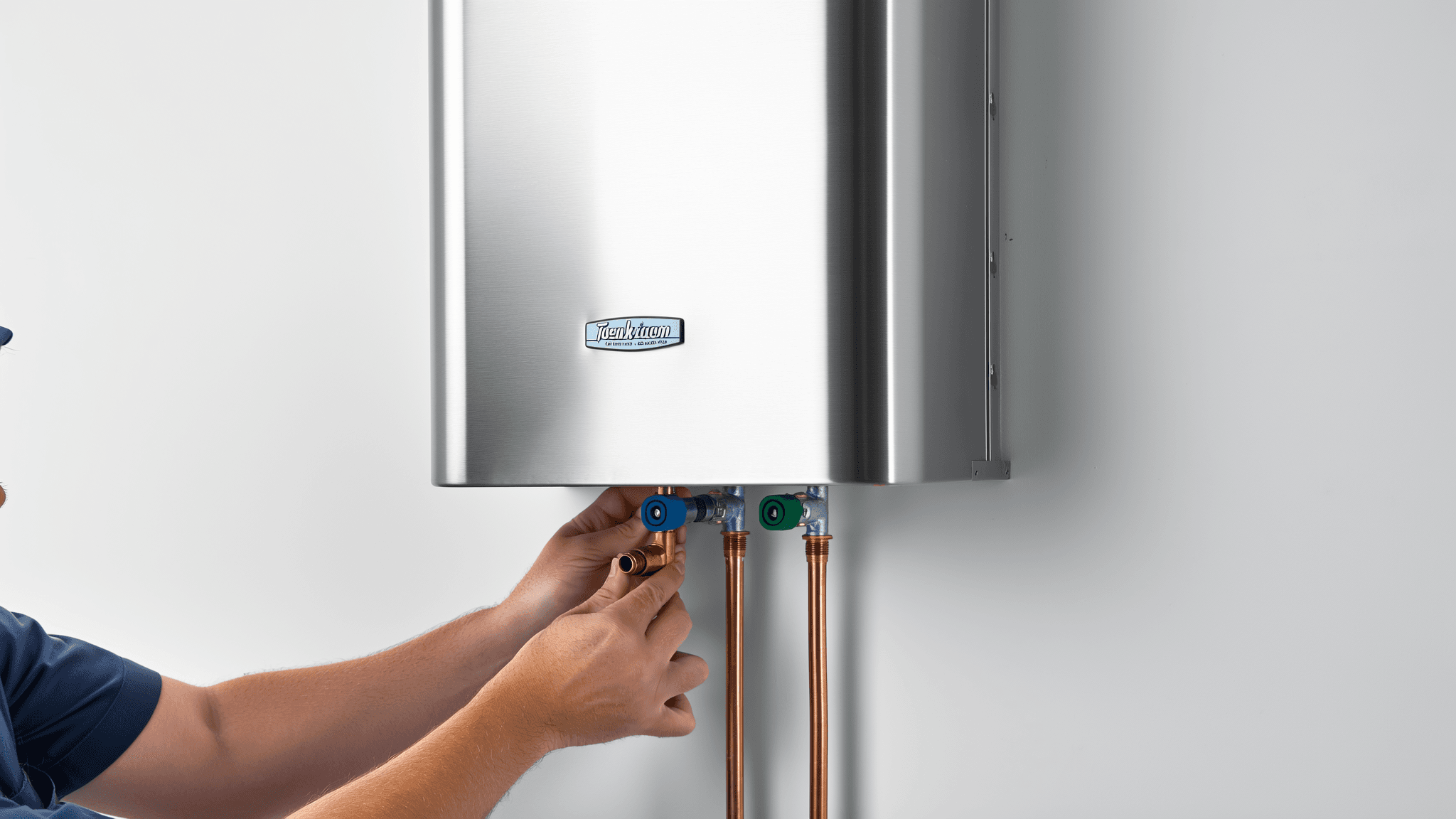
Traditional storage water heaters keep 40-80 gallons of water hot 24/7, whether you're using it or not. Tankless systems work differently: they heat water on demand, instantly, only when you turn on a tap.
That single change has cascading benefits — and a few caveats worth understanding before you buy.
1. Continuous hot water — no waiting, no running out
A properly sized tankless system delivers endless hot water. Take a long shower while the dishwasher runs and the laundry cycles — the system keeps up. For multi-person households, this is the upgrade you feel every single day.
2. Energy efficiency that shows up on the bill
Storage tanks lose heat constantly through their walls — what's called "standby loss." You're paying to maintain temperature even when the house is empty. Tankless systems only fire when water flows, eliminating that loss entirely.
ENERGY STAR® certified tankless heaters can be up to 34% more energy-efficient for homes that use less than 41 gallons of hot water daily. Bigger usage households see smaller percentage savings, but still meaningful annual numbers.
3. 20+ year lifespan
Conventional tanks last 10-15 years. Tankless units, properly maintained, regularly hit 20+. That's effectively two tank replacements avoided — both a financial and environmental win.
4. Wall-mounted, compact, hidden
A tankless unit is roughly the size of a small carry-on suitcase, mounted on a wall. The space a tank used to occupy becomes storage, a utility area, or just open floor.
5. Better water quality
Storage tanks accumulate sediment and rust over time, which ends up in your hot water supply. Tankless systems don't store water — there's nothing for sediment to settle into. Most homeowners notice fresher-tasting water after upgrading.
6. Federal and utility rebates
ENERGY STAR-rated tankless models qualify for federal tax credits, and most utilities offer additional rebates. Combined, these can offset 20-40% of the install cost.
Is it right for your home?
Tankless isn't automatically the answer for every home. Three factors matter most:
- Peak demand: How many simultaneous hot-water uses do you actually need? A unit sized for two showers + dishwasher costs less than one sized for four bathrooms running at once.
- Existing gas line and venting: Tankless gas heaters need higher BTU input than tanks. Gas line and venting upgrades sometimes add to the install cost.
- Water hardness: Hard water shortens any water heater's life. Pairing tankless with a softener (or scheduling annual descaling) is the right move in most of Texas and Oklahoma.
If you're weighing the upgrade, the right move is a free assessment — peak demand sizing, gas line evaluation, and a real cost-vs-savings calculation specific to your home.
No pressure. We'll walk through your specific situation, give honest options, and a flat written quote if you decide to move forward.