
Why Regular HVAC Maintenance Is Essential for Your Home's Comfort and Efficiency
Your HVAC system runs nearly every day. Like a car, it needs scheduled maintenance to stay efficient, last longer, and not strand you on the worst day of the year.
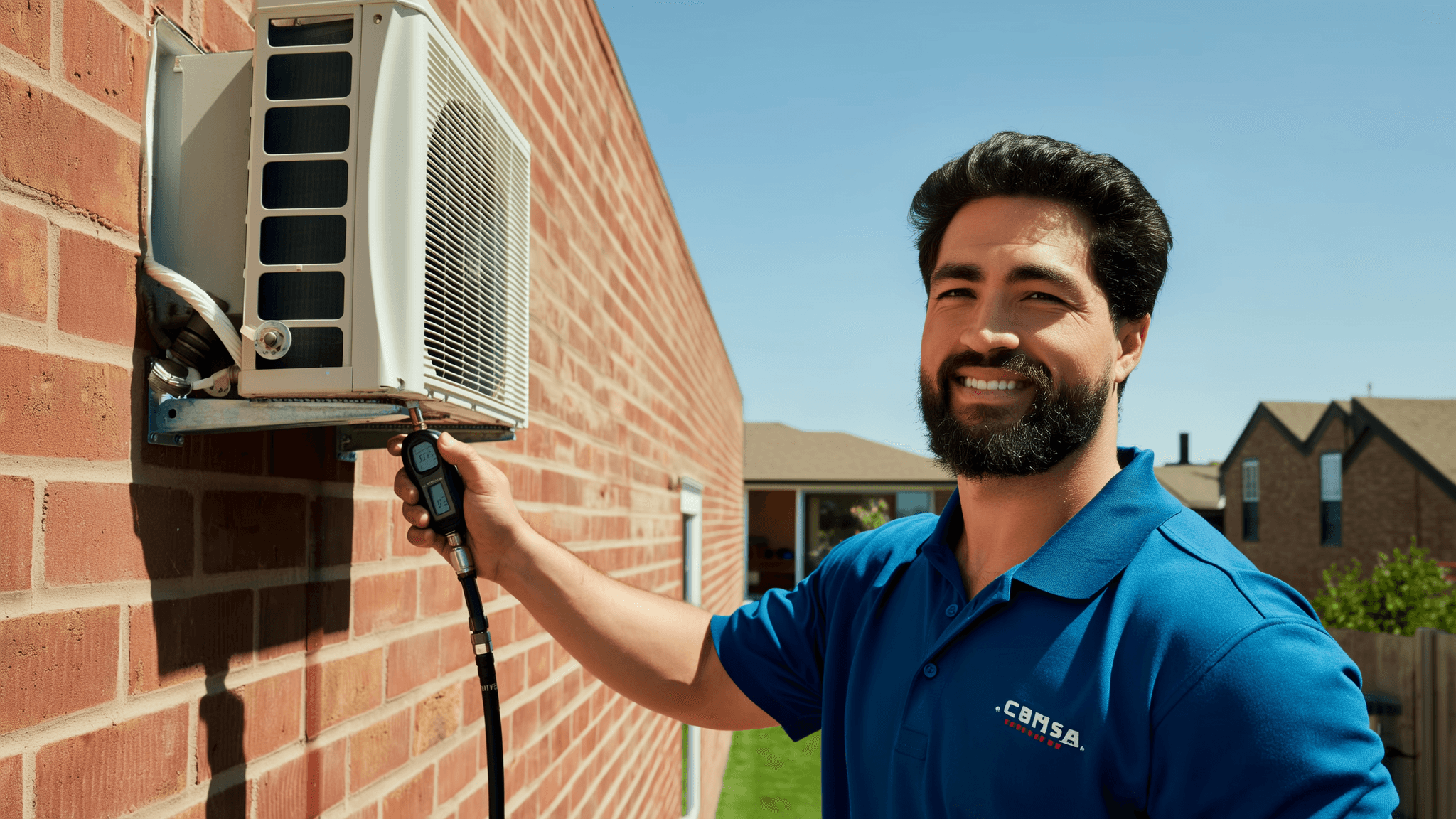
Most HVAC failures are predictable. The capacitor that fails in July was showing electrical degradation since spring. The heat exchanger that cracks in January had visible early-stage issues during the previous fall tune-up. The expensive emergencies are the ones you didn't catch.
Annual maintenance is the difference. Here's what it actually does for you.
1. Lower energy bills
A clean coil transfers heat better. A clean filter doesn't strain the blower. A properly charged refrigerant system runs at design efficiency. Skip maintenance for a few years and your system can lose 20-40% of its rated efficiency — which shows up directly on your monthly bill.
2. Longer system life
Most residential HVAC systems are designed to last 15-20 years. Most actual systems die at 10-12, almost always because of preventable wear. Annual tune-ups regularly add 5-7 years to system life. On a $10,000+ replacement, that's serious money deferred.
3. Cleaner indoor air
Dirty coils grow biofilms. Clogged filters let particulates through. Dirty blowers spread that dust everywhere. A maintenance visit that includes coil cleaning, filter service, and blower wheel inspection improves indoor air measurably.
What's actually in a tune-up?
Real maintenance — not the 30-minute "cleaning" some companies sell — includes:
- Filter inspection and replacement
- Coil cleaning (indoor and outdoor)
- Refrigerant pressure check
- Capacitor and contactor electrical testing
- Blower motor inspection and amp draw
- Thermostat calibration
- Condensate drain flush
- Combustion analysis (gas furnaces) and CO testing
- Heat exchanger inspection (cracks here can leak CO into the home)
- Full operational test under load
How often?
Twice yearly is the standard recommendation: AC tune-up in spring, heat tune-up in fall. Doing both gives you a full picture of system health twice a year — and addresses cooling-season failures before summer and heating-season failures before winter.
Filter replacement is more frequent — every 1-3 months depending on filter type, household size, and pets. The filter is the single highest-impact thing a homeowner can do between professional visits.
The bottom line
Maintenance pays for itself. The math is simple: $200-300 a year in tune-ups vs. $1,500-15,000 in emergency repair or replacement. Catching a $50 capacitor before it kills the compressor — that single save pays for years of maintenance.
Most homeowners would never skip oil changes on a car. HVAC is the same logic — applied to a much larger investment.
No pressure. We'll walk through your specific situation, give honest options, and a flat written quote if you decide to move forward.