
Say Goodbye to Leaks and Low Pressure: The Case for Repiping Your Home
Repiping isn't glamorous. It's also one of the most important upgrades you can make to a home built before 1985.
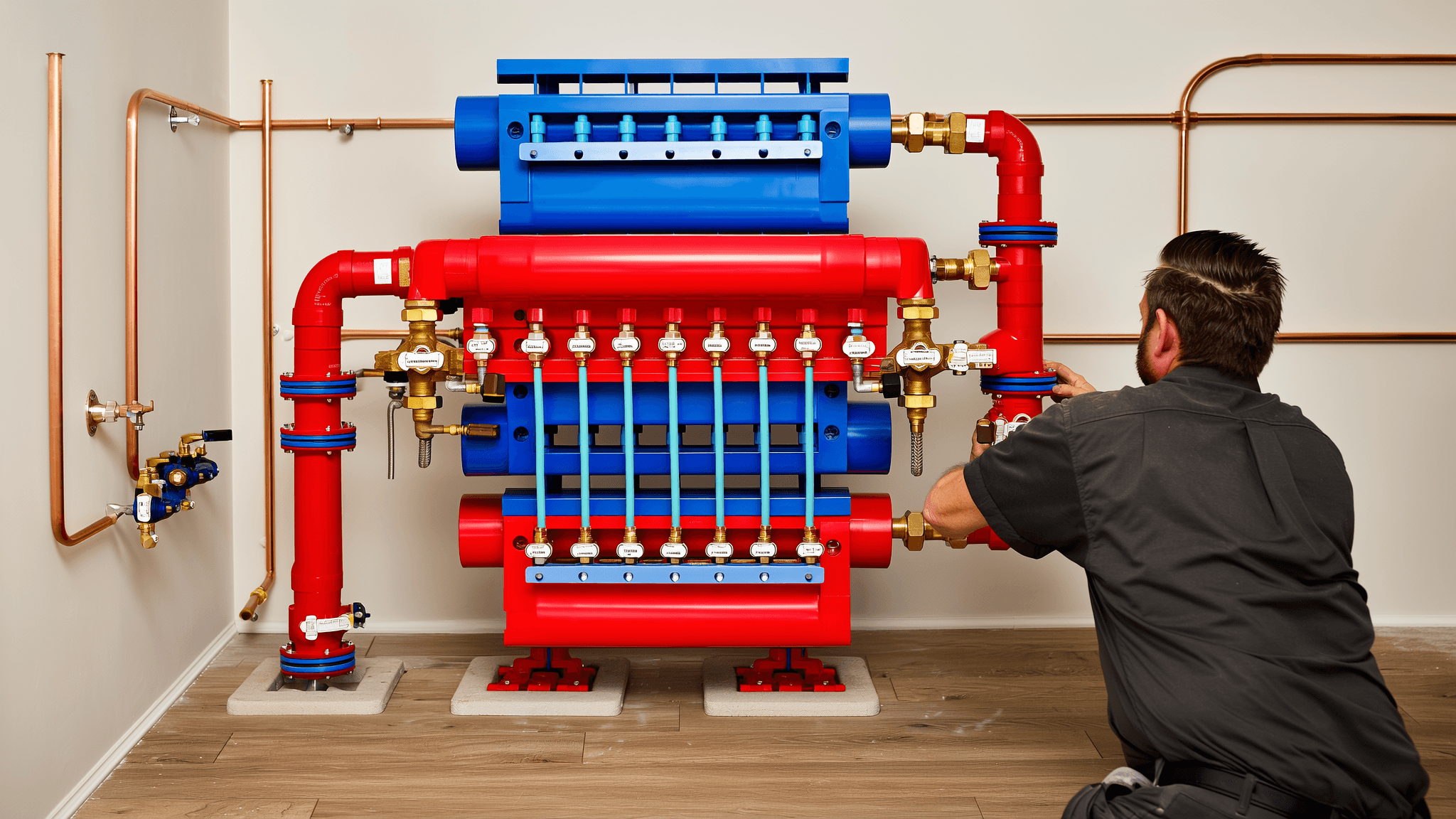
What is repiping?
Repiping replaces all (or most) of your home's water supply lines. Old, corroded, or fundamentally bad pipes come out — modern materials like PEX, copper, or CPVC go in.
It's not a small job. It is a permanent one. Done right, it's the last time you'll think about your supply lines.
Signs it's time
A few of these and a conversation is worth having. All of them and you're already past due:
- Low water pressure throughout the house
- Rusty, brown, or off-color water — especially first thing in the morning
- Frequent leaks or pipe bursts
- Strange-tasting or smelling water
- Pipes over 40-50 years old (especially galvanized steel or polybutylene)
- Visible corrosion on exposed pipes
What you get out of it
Repiping isn't just about ending the failures. It's a comprehensive upgrade with five major outcomes:
1. Better water quality
Old galvanized pipes shed rust into your water. Polybutylene pipes can leach chemicals. Copper from before lead-free solder rules can contribute to lead exposure. Modern PEX and copper deliver clean, neutral water — exactly what you want.
2. Full water pressure restored
Mineral buildup inside old pipes effectively shrinks the pipe diameter — sometimes by 50%+. Replacing returns full diameter, full flow, full pressure. Showers feel like showers again.
3. End of recurring leaks
If you've patched a leak every six months for two years, you're not solving the problem — you're managing it. Repipe ends the cycle.
4. Real boost to home value
Buyers ask about plumbing. "Whole-home repipe in 2024" is the answer that closes deals. Older pipes are a major sticking point in inspections; modern pipes remove that friction entirely.
5. Decades of peace of mind
PEX and copper installed today will outlast you. No more 2 AM emergencies, no more wondering when the next leak will hit. That mental relief is worth real money.
What does the process look like?
Most whole-home repipes break down into five stages:
- Inspection and planning — assess the existing system, design the new layout, finalize material choice
- Protection — drop cloths, plastic sheeting, dust containment
- Installation — old pipe removed, new pipe routed, fixtures reconnected
- Patching — drywall holes patched and textured (paint match by homeowner unless requested)
- Final testing — pressure test, city inspection, walkthrough
Most homes are 2-5 days, depending on size and pipe layout. The longest disruption is the day or two of staged water shutoffs — but most reasonable contractors keep at least one bathroom and the kitchen functional throughout.
If you're seeing the warning signs and wondering whether it's worth doing now or waiting, the answer is almost always "now." Emergency leak repair is far more disruptive and expensive than a planned repipe.
No pressure. We'll walk through your specific situation, give honest options, and a flat written quote if you decide to move forward.